The Story of Scotch Whisky: Scotland’s Soul in a Glass
Scotch whisky isn’t just a drink—it’s Scotland’s greatest export, its national pride, and, let’s be honest, its unofficial cure for cold weather, heartbreak, and awkward family gatherings. It’s smoky fires, rolling hills, salty sea air, and centuries of stubborn Scots refusing to give up on their beloved “water of life.”
Raise a glass, because this is no boring history lesson—this is the story of Scotch whisky.
The First Drop – Whisky is Born (Sort Of)
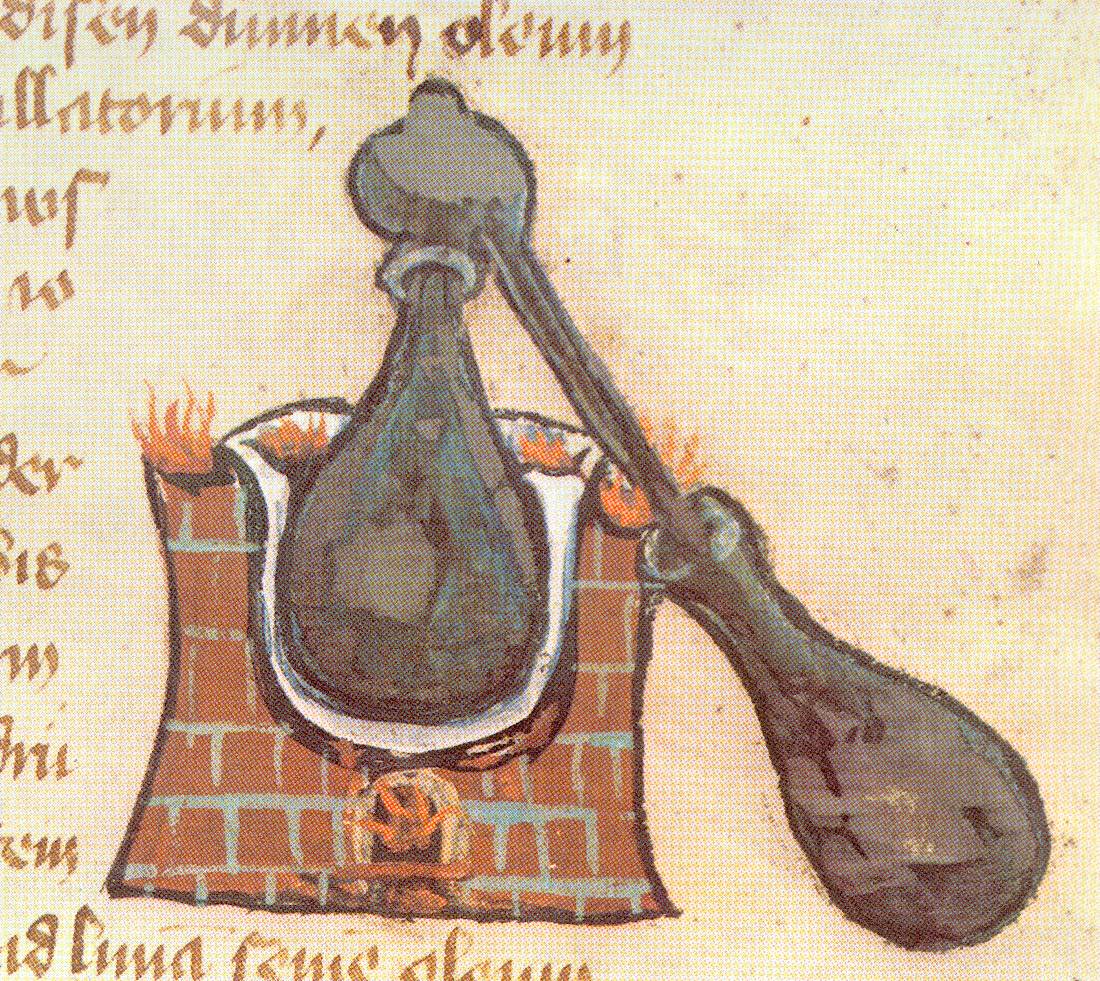
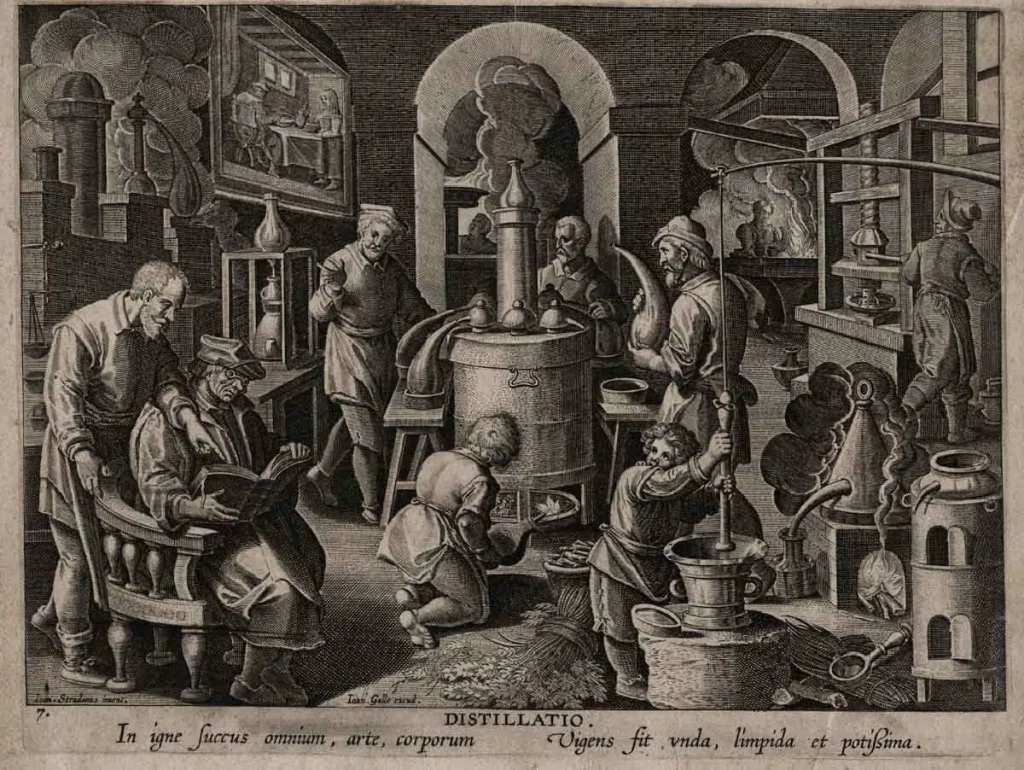
Distillation started far from Scotland, in the Middle East, where alchemists tried turning base metals into gold. (Spoiler: they failed, but thank heavens they figured out alcohol instead). Eventually, monks brought this magical process to Scotland.
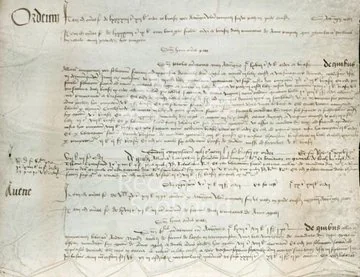
The first official record? A 1494 entry that reads:
“Eight bolls of malt to Friar John Cor, by order of the King, to make aqua vitae.” Translation: the King wanted a LOT of whisky. We’ll drink to that.
Whisky for the People
When monasteries were shut down, monks didn’t stop brewing—they simply took their stills to the people. Soon whisky was made in farmhouses, barns, and kitchens. Was it refined? Not really. Was it strong enough to make you see double? Absolutely.
It became part of daily life—poured at weddings, funerals, and anything in between. Let’s be honest: it was probably the best part of medieval Scotland.
The Wild Years – Smugglers, Smoke & Secrets
By the 1600s, the government slapped taxes on whisky. And if there’s one thing Scots don’t like, it’s being told to pay extra for their dram. Cue the rise of illicit distilling.
Entire valleys turned into secret whisky-making hubs. Barrels were rolled down hills at night, stills hidden in caves, and smugglers got more creative than Netflix heist writers. Some even disguised whisky barrels as hay bales to sneak them past taxmen.
So if you’ve ever enjoyed a late-night dram, thank those rebels. Without them, Scotch might not have survived.
A Legal Industry is Born (Finally)
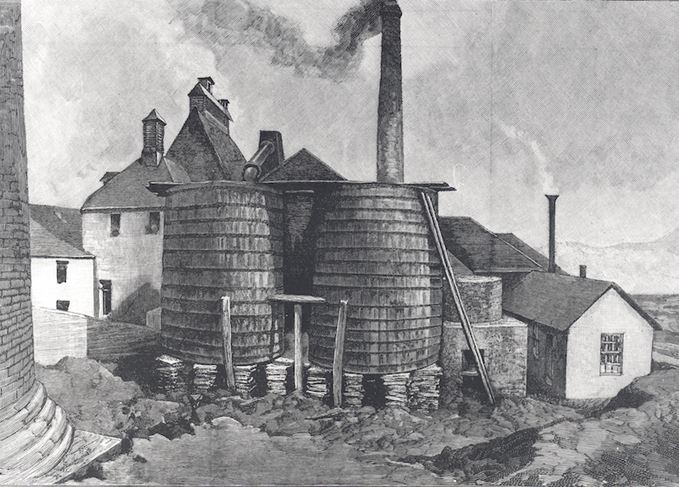
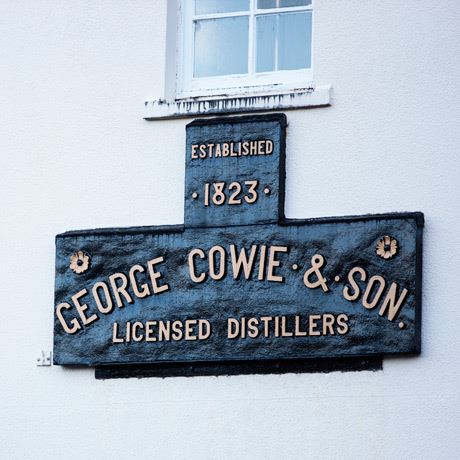
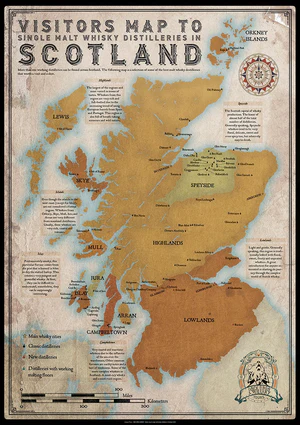
The government eventually realised: if you can’t beat them, tax them fairly. The Excise Act of 1823 made distilling legal (and profitable). Distilleries sprang up across Scotland, each with its own character—Highland spice, Speyside sweetness, Islay smoke, and Lowland charm.
Fun fact: many of today’s famous distilleries trace their roots back to this exact moment.
Blending, Boom, and World Domination
The 1800s brought two big shifts:
The Coffey Still – invented by Aeneas Coffey, this still made smoother grain whisky possible.
Blending – combining malts with grain whisky created a consistent, approachable Scotch.
Visionaries like John Walker and the Chivas brothers mastered blending, and suddenly Scotch wasn’t just for hardy Scots—it was for the world.
Then came some luck: France’s vineyards were wiped out by phylloxera, leaving brandy lovers with nothing to sip. Scotch stepped in, raised its hand, and said, “Don’t worry lads, we’ve got you.”
Through Wars, Prohibition, and Hard Times
The 20th century threw everything at whisky:
Prohibition in the US (where Scotch slipped in disguised as “medicine”).
Two World Wars (where distilleries shut down, but whisky rations kept morale alive).
Economic downturns (when whisky was stashed away until brighter days).
But Scotch whisky proved what Scots already knew: it doesn’t go down easy.
Scotch Today – A World of Flavour
Now, Scotch is legally protected, loved worldwide, and enjoyed by everyone from whisky connoisseurs to curious beginners. Each dram tells a different story:
Islay whiskies that taste like smoke, seaweed, and bonfire embers.
Speyside whiskies dripping with honey, apple, and vanilla.
Highland drams bold with pepper, spice, and heather.
It’s Scotland, bottled.
Final Sip
Scotch whisky has been banned, smuggled, taxed, and even prescribed by doctors—but it’s never lost its soul. It’s not just a drink. It’s history, humour, rebellion, and craftsmanship, poured into every glass.
So next time you take a sip, raise it to the monks, the smugglers, the blenders, and everyone in between who kept Scotland’s greatest treasure alive. Slàinte!